
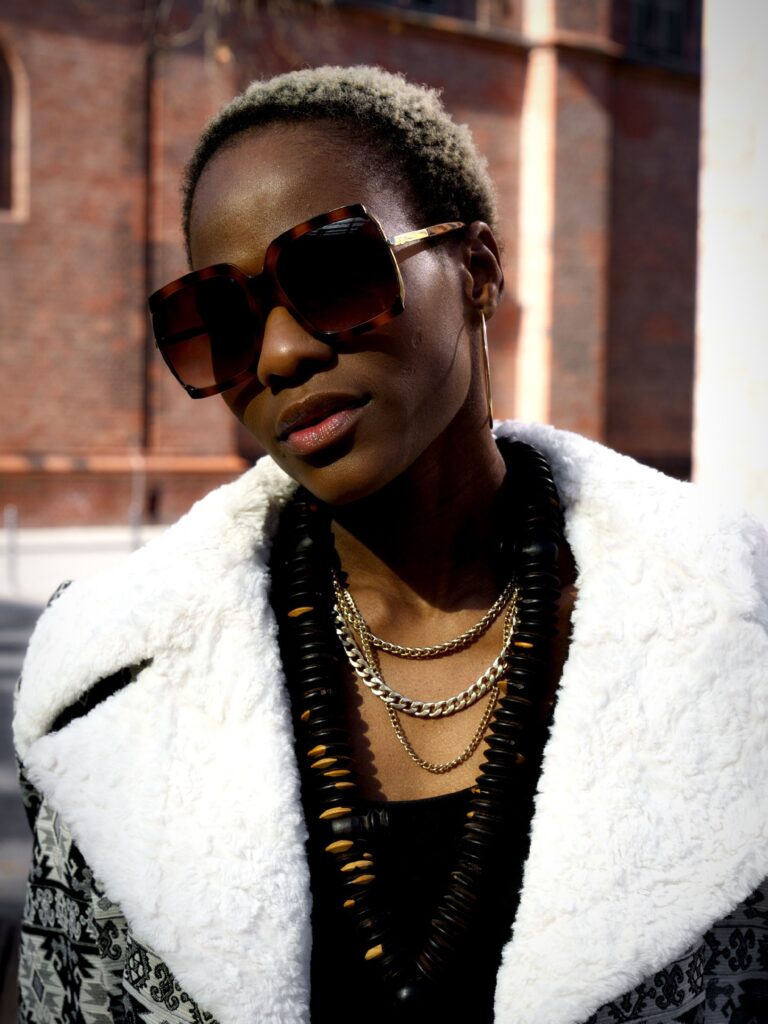
Fashion Brand of the Year | Senegal
West African Citizens Awards 2026 — Recognizing the Unseen. Celebrating the Exceptional.
Fashion can be more than an expression of personal style. It can preserve cultural memory, challenge how materials are used and create new ways of interpreting heritage for contemporary audiences. For Senegalese fashion designer Mame Khady Badji, these ideas come together through a creative practice that transforms discarded textiles into distinctive garments inspired by the Diola culture of southern Senegal.
Through her label, MKB — Mame Khady Badji, she brings together traditional textile sensibilities, contemporary fashion and the principles of reuse. Her work explores how materials that might otherwise be thrown away can be reimagined as clothing and accessories with renewed purpose.
Her nomination for Fashion Brand of the Year at the West African Citizens Awards 2026, representing Senegal, highlights a fashion identity that connects cultural expression with a growing international conversation about sustainability, craftsmanship and responsible production.
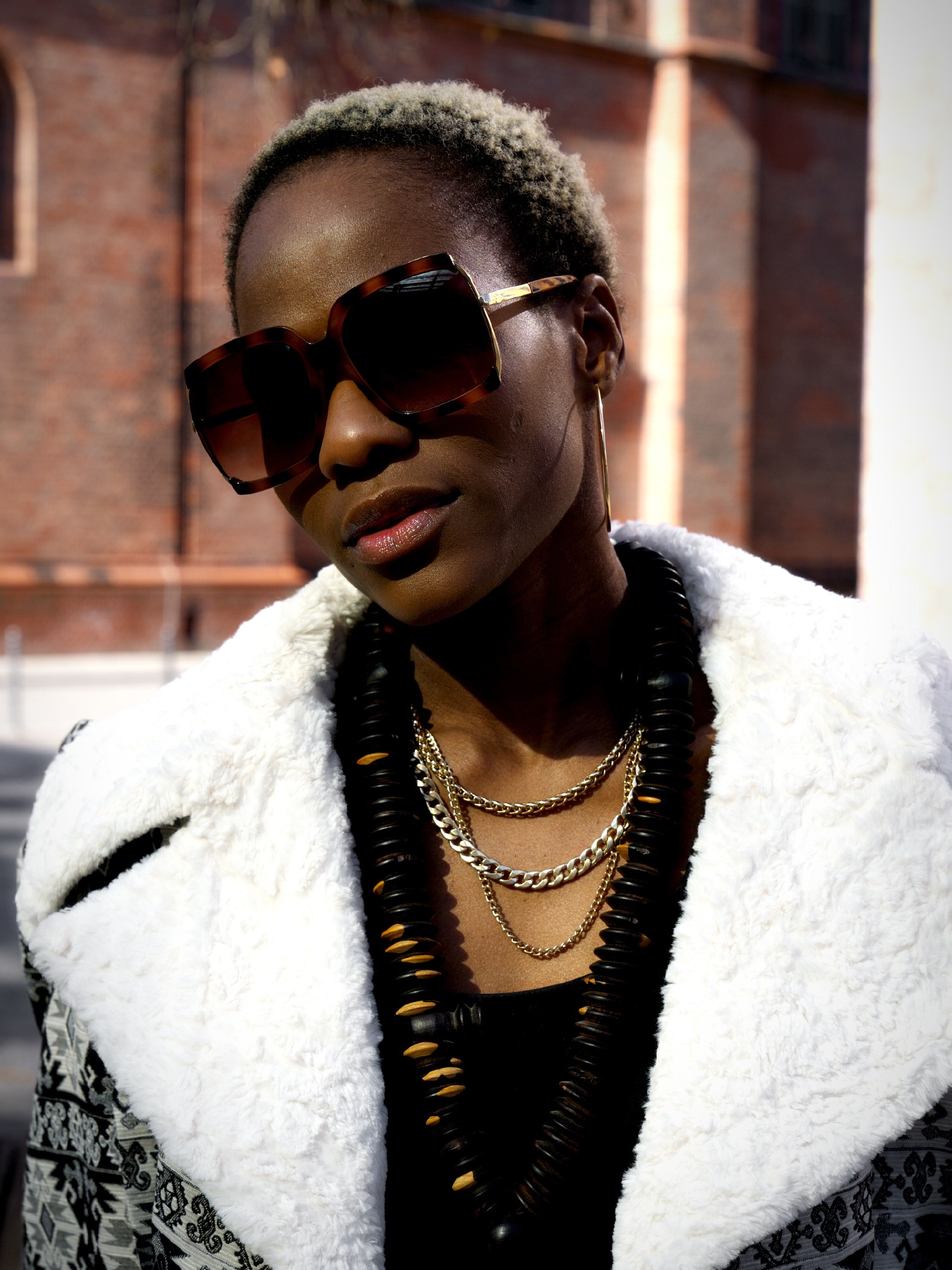
A Senegalese Identity with an International Perspective
Mame Khady Badji’s design approach is deeply connected to her Senegalese heritage. Her public brand profile describes the Diola culture of southern Senegal as a central source of inspiration, informing the patterns, details and creative philosophy behind her work.
The Diola people have a rich cultural heritage, and Badji draws on this connection to create pieces that communicate more than a particular silhouette or trend. Her designs are presented as a way of carrying cultural identity into contemporary fashion, allowing traditional references to exist in new forms.
Her work also reflects a dialogue between Senegal and the wider world. Based in Germany since 2017 and working between Berlin and Dakar, she operates across different cultural and fashion environments. This international perspective gives her access to conversations about contemporary design while maintaining a clear connection to the traditions that inform her creativity.
For African fashion brands seeking international visibility, this relationship between heritage and innovation is particularly important. Cultural references can provide a distinctive creative foundation, but designers must also find ways to translate them into pieces that speak to modern tastes and diverse audiences.
Badji’s work approaches this challenge through the meeting of Senegalese cultural inspiration, contemporary streetwear influences and the thoughtful reuse of textiles.
Giving Discarded Textiles a New Life
One of the defining features of Mame Khady Badji’s work is her use of recovered textiles.
The fashion industry generates significant quantities of textile waste, including unwanted garments, production remnants and materials that no longer serve their original purpose. Designers who work with these materials can explore alternatives to the conventional model of sourcing new fabric for every collection.
MKB’s stated mission centres on transforming forgotten textile materials into new fashion pieces. The brand describes selecting leftover fabrics and giving them another life through design and craftsmanship.
This process changes the starting point of the creative work. Rather than beginning exclusively with newly manufactured material, a designer working with recovered textiles must consider what is available, how different fabrics can be combined and what forms their qualities can support.
Such constraints can encourage experimentation. Differences in texture, colour, pattern and fabric weight may become part of the design language, producing pieces that feel individual rather than entirely uniform.
For Badji, the practice also reflects a broader philosophy: materials should not automatically lose their value simply because they have been discarded. Through creative intervention, they can become the basis for something desirable, expressive and wearable.
Upcycling does not eliminate every environmental impact associated with fashion, and its benefits depend on sourcing, processing, production and the lifespan of the finished garments. Nevertheless, it offers one approach to extending the use of existing materials and questioning the assumption that new clothing must always begin with new textiles.
The Ndiakhass Influence: Tradition Reinterpreted
Badji’s design practice also draws on Ndiakhass, a Senegalese textile tradition associated with the creative combination of different fabric pieces and patterns.
Rather than treating mixed fabrics as a limitation, this approach can turn contrasts into an intentional visual feature. Different colours, motifs and textile surfaces can be brought together to create compositions that are expressive and individual.
In Badji’s work, this traditional sensibility meets contemporary streetwear influences. The result is a fashion language that connects cultural references with modern silhouettes and styling.
The combination matters because cultural heritage is not static. Designers can preserve its significance while experimenting with how it is expressed, allowing traditional influences to appear in new contexts and reach audiences who may encounter them through contemporary fashion rather than formal cultural settings.
Badji’s approach positions textile composition as part of the story a garment tells. The materials themselves become an important element of the design, linking the finished piece to questions of memory, reuse and identity.
Fashion as a Form of Cultural Storytelling
For Mame Khady Badji, clothing and accessories are presented as more than decorative objects. Her brand describes each creation as a reflection of cultural inheritance, with individual details helping connect past and present.
This philosophy gives her work a storytelling dimension. The choice to use recovered textiles communicates an interest in giving materials a second life. The references to Diola culture connect the garments to a specific heritage. The contemporary styling allows those references to participate in present-day fashion conversations.
This is one of the ways fashion can carry cultural narratives across borders. A garment can communicate through its construction, colour, texture and pattern, even when the person wearing it does not share the designer’s cultural background.
For Senegalese designers, such creative work can contribute to wider recognition of the country’s design traditions and the people who continue to reinterpret them. It can also help demonstrate that African fashion is not a single aesthetic, but a diverse field shaped by local histories, individual experimentation and changing global influences.
Badji’s work contributes to that conversation by making textile reuse and Senegalese cultural identity central to the brand’s creative direction.
Building a Brand Between Dakar and Berlin
Working between Senegal and Germany places Mame Khady Badji within two distinct fashion environments. Dakar offers a connection to the cultural traditions that inform her work, while Berlin provides a setting for engagement with international design communities and conversations about sustainable fashion.
Operating across markets can create opportunities, but it also presents challenges. An independent label must establish its identity, communicate the value of its materials and craftsmanship, reach customers and develop the practical capacity to produce and deliver garments.
For a brand working with recovered fabrics, sourcing and material availability can add another layer of complexity. Each collection may require careful selection and creative planning, especially when the available textiles differ in composition, colour or quantity.
The development of a recognisable brand therefore depends on more than the originality of individual designs. It also requires consistency in the creative vision, clear communication and the ability to turn that vision into products that customers can understand and value.
Badji’s work between Dakar and Berlin provides an example of how a designer can use an international base while maintaining cultural roots as a central element of the brand.
Bringing Sustainable Design into the Fashion Conversation
Sustainability has become an increasingly important subject in fashion, prompting designers and consumers to consider the environmental and social implications of how clothing is made.
Approaches such as upcycling, reuse and longer garment lifespans offer alternatives to the constant replacement of materials and products. They can also encourage consumers to pay greater attention to construction, originality and the story behind a garment.
MKB’s use of discarded textiles places material reuse at the centre of its identity. Rather than presenting sustainability as a separate message from aesthetics, the brand incorporates it into the creative process itself.
This approach also raises an important commercial question: can fashion made from recovered materials compete in a market shaped by changing trends, production costs and consumer expectations?
A report by Deutsche Welle published in August 2026 explored this challenge through Badji’s work, describing her efforts to develop an independent sustainable-fashion label and her appearance at Berlin Fashion Week in 2026.
The report placed her work within a wider discussion about whether recycled fashion can become commercially viable without compromising craftsmanship or cultural meaning.
For independent designers, this balance is essential. A sustainable concept must be translated into well-considered products, a clear brand identity and a business model capable of supporting continued creative work.
International Visibility and the Future of African Fashion
Badji’s appearance at Berlin Fashion Week in 2026 represents a documented point of visibility for her work within an international fashion environment.
Such platforms can provide designers with opportunities to present their ideas to wider audiences and participate in conversations about the future of fashion. For a designer whose work draws on Senegalese heritage and textile reuse, this visibility also creates opportunities to introduce those ideas to audiences outside Senegal.
International recognition, however, is only one part of a fashion brand’s development. Sustained growth also depends on the strength of the products, customer relationships, production capabilities and the ability to maintain a clear creative identity over time.
For African fashion more broadly, designers such as Badji contribute to a landscape in which cultural heritage, contemporary aesthetics and experimentation with materials can coexist. Their work challenges the idea that African fashion must choose between tradition and modernity, or between cultural expression and commercial ambition.
Instead, these elements can inform one another, creating brands with distinctive stories and the potential to engage audiences across different markets.
Why Her Nomination Matters
The Fashion Brand of the Year category at the West African Citizens Awards 2026 recognises fashion businesses and creative labels contributing to the region’s evolving style and design landscape.
Mame Khady Badji’s work brings together several connected themes: Senegalese cultural identity, textile craftsmanship, contemporary fashion and the reuse of discarded materials. Through MKB, she explores how recovered fabrics can become expressive garments while maintaining a connection to the Diola heritage that informs her creative vision.
Her work also draws attention to the independent designers who develop distinctive approaches outside the conventional fashion-production model. By making material reuse part of her brand’s identity, Badji contributes to a wider conversation about the future of clothing, responsible design and the value of existing resources.
As Senegalese and other West African designers continue to reach new audiences, the region’s fashion landscape benefits from creative approaches that reflect its diverse cultural traditions while responding to contemporary challenges.
Mame Khady Badji’s nomination provides an opportunity to recognise her contribution to this landscape and celebrate a fashion label that places heritage, imagination and material reuse at the heart of its work.
Support Mame Khady Badji
Mame Khady Badji represents Senegal as a nominee for Fashion Brand of the Year at the West African Citizens Awards 2026.
This year’s edition carries the theme “Recognizing the Unseen. Celebrating the Exceptional.” It celebrates West Africans whose work, creativity and contributions deserve wider recognition.
🗳️ Cast your vote: https://wafricawards.com.ng/official-public-voting/
📋 Read the voting procedures and criteria: https://wafricawards.com.ng/wafric-awards-2026-voting-procedures-and-criteria/
Public voting closes on November 15, 2026. Public votes contribute to the process but do not alone determine the final winners. The final selection also considers nominees’ achievements, contributions and impact in accordance with the published criteria.
West African Citizens Awards 2026
Recognizing the Unseen. Celebrating the Exceptional.
#WAFRICAwards2026 #RecognizingTheUnseen #CelebratingTheExceptional #MameKhadyBadji #MKB #SenegaleseFashion #SustainableFashion