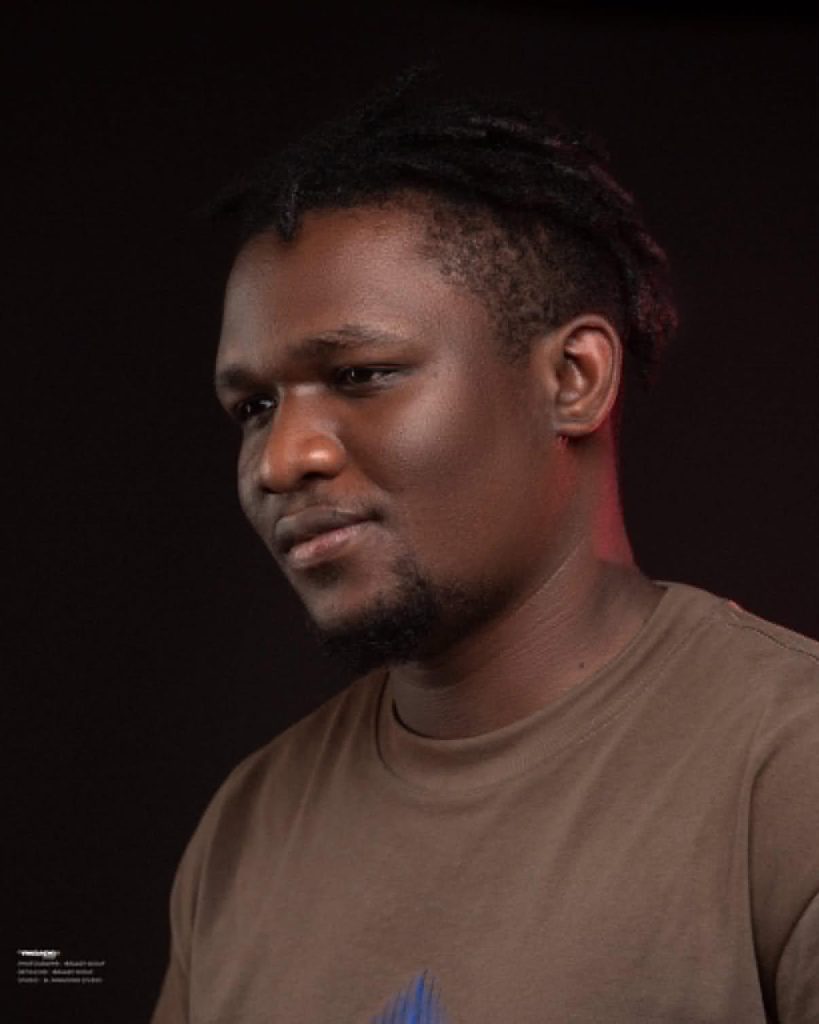
Nominee: Drissa Traore
Category: Journalist of the Year
Country: Mali
Edition: WAFRIC Awards 2026 — Recognizing the Unseen. Celebrating the Exceptional.
Sports journalism is about more than reporting scores. It involves following athletes and teams, interpreting developments, investigating stories, communicating accurate information and helping audiences understand the events shaping their favourite sports. In Mali, where football commands significant public attention, sports journalists play an important role in connecting supporters with the national game and its players.
For Malian sports journalist Drissa Traore, that work centres on following football developments, sharing news about Malian players and the national team, and bringing audiences closer to the stories unfolding across African football. His public professional profile identifies him as a sports journalist and promoter of Classic TV, with coverage interests spanning the Africa Cup of Nations (AFCON), the FIFA World Cup, player transfers and national-team selections. His work can be followed through his public sports-journalism profile.

A Career Focused on the Stories Behind the Game
Football is a constantly moving story. A player’s transfer, a national-team selection, a coaching decision or a team’s performance can generate conversations that extend well beyond the pitch. Sports journalists help audiences follow these developments, understand their significance and remain connected to the teams and athletes they support.
Traore’s publicly visible work reflects this fast-paced reporting environment. His updates cover developments involving Malian footballers, the national team known as the Eagles of Mali, youth football and the wider African game. This focus places his work within a field where timeliness, attention to detail and the ability to communicate changing information are essential.
His coverage also reflects the growing importance of digital journalism. Supporters increasingly follow football through social media updates, short-form reports, online discussions and digital news platforms, often seeking developments as they happen. For journalists, this environment creates opportunities to reach audiences directly while also requiring care in distinguishing confirmed information from speculation.
Traore’s public reporting includes updates on players’ club movements, national-team developments and international competitions. These subjects form an important part of the information ecosystem surrounding football in Mali, where supporters follow both domestic talent and players representing the country abroad.
Following the Eagles of Mali
The Mali national football team is a major focus of football interest in the country. Its participation in continental competitions and qualification campaigns creates an ongoing need for coverage of squad decisions, player availability, match preparations and results.
Traore’s reporting has included updates concerning the Eagles and players being considered for national-team representation. His public posts have covered developments around the team’s preparations for international fixtures and the performances and career movements of Malian footballers.
Coverage of a national team requires journalists to follow more than matchday action. Supporters also want to understand who is available for selection, how players are performing at their clubs, which young talents are emerging and what developments might affect upcoming fixtures.
This type of reporting helps keep the national football conversation active between matches. It also brings attention to players whose work abroad may otherwise receive less coverage in their home country.
Through his sports-journalism activity, Traore participates in this continuing conversation, connecting developments in the domestic and international football environment with the interests of Malian supporters.
Beyond Match Results: Transfers, Selections and Emerging Talent
Modern sports journalism covers a broad range of subjects. Alongside match reports and results, audiences follow transfer news, career decisions, emerging prospects and the changing relationship between clubs and national teams.
Traore’s public profile specifically highlights coverage of transfer-market developments and national-team selections. His reporting includes updates about Malian players competing in different countries, reflecting the international reach of contemporary football careers.
Following these stories can help audiences recognise the breadth of Malian football talent and understand how individual players’ decisions intersect with the national team’s ambitions. It can also introduce supporters to players who may not yet be household names but are building their careers through club football.
Youth competitions provide another important part of this picture. Reports on Mali’s youth teams and regional tournaments help audiences follow the next generation of players and the development of football beyond the senior national side.
For a sports journalist, maintaining this coverage means keeping track of developments across multiple competitions, teams and sources. It requires a sustained interest in the sport and the ability to communicate information in a format that supporters can follow.
Connecting Journalism and Digital Audiences
The growth of social media has transformed how sports news reaches audiences. Journalists can now publish updates directly, engage with supporters and participate in conversations that continue long after a match ends.
Traore’s publicly available digital activity demonstrates his use of social media to share football-related news and commentary. His posts cover subjects ranging from national-team developments to individual players’ situations and wider African football events.
Digital sports journalism offers speed and accessibility, but it also places responsibility on reporters to communicate carefully. Transfer developments, eligibility questions and possible national-team selections can change quickly, making clarity and appropriate attribution particularly important.
For audiences, a journalist’s continuing presence can become a route to following the game beyond major tournaments. Regular updates help supporters stay informed about developments involving their national team and players, while also creating space for discussion about the direction of the sport.
As football coverage increasingly moves between traditional broadcasting and digital platforms, journalists who understand these different channels can help bring stories to audiences in the formats they use most.
The Wider Importance of Sports Journalism in Mali
Sports journalism contributes to the cultural life surrounding football. It records the achievements of athletes, documents important moments, shares information about competitions and provides a platform through which supporters can follow their teams.
In Mali, reporting on football also brings attention to players representing the country at different levels, from youth competitions to the senior national team. Coverage of these athletes can help build public awareness of their journeys and keep national football discussions connected to developments across the continent.
The profession also carries responsibilities. Reliable sports reporting depends on distinguishing confirmed facts from rumours, presenting developments in context and treating athletes and other subjects fairly. These principles help audiences make sense of the fast-moving news cycle and maintain confidence in the information they receive.
Traore’s focus on Malian football and his continued public reporting place him within this environment. His nomination offers an opportunity to bring wider attention to the work of a journalist covering the teams, players and developments that matter to football followers in Mali.
Why Drissa Traore Is a WAFRIC Awards 2026 Nominee
Drissa Traore’s nomination for Journalist of the Year at the WAFRIC Awards 2026 recognises his work in sports journalism and his focus on Malian football within the broader African game.
His public reporting covers the national team, individual players, transfers, selections and football competitions. These subjects reflect the daily work involved in keeping sports audiences informed about developments that may influence teams, players and supporters.
The nomination also draws attention to the role of specialist journalism. While sports reporting may centre on events on the field, it involves an ongoing commitment to following developments, checking information and communicating stories that audiences care about.
Through its 2026 edition, the West African Citizens Awards recognises individuals whose professional contributions deserve broader attention across the region. The theme, “Recognizing the Unseen. Celebrating the Exceptional,” highlights the people whose work helps keep their fields active and their audiences connected.
For Drissa Traore, this nomination brings his sports-journalism work before a wider West African audience and recognises his place in the continuing conversation about Malian football.
Support Drissa Traore
Drissa Traore is nominated for Journalist of the Year — Mali at the WAFRIC Awards 2026.
Public voting runs from October 12 to November 15, 2026. Supporters can find his category and cast their vote through the official WAFRIC Awards public voting page.
Public votes contribute to the selection process but do not solely determine the final winner. Supporters are encouraged to review the WAFRIC Awards 2026 voting procedures and criteria for an explanation of the wider process.
Recognise the reporting. Celebrate the contribution. Support Drissa Traore.
WAFRIC Awards 2026 — Recognizing the Unseen. Celebrating the Exceptional.