
WAFRIC Awards 2026 Nominee Spotlight | Journalist of the Year | Senegal
Journalism brings people closer to the events, personalities, and stories shaping their world. In sports, that responsibility extends beyond reporting scores: it involves capturing the emotion of competition, explaining the significance of moments, and helping audiences connect with the people behind the performance. Senegalese journalist Mamadou Ndiaye has built his professional identity around this intersection of sports, television, and digital communication.
As a sports reporter with Télévision Futurs Médias (TFM), Ndiaye has developed a career that connects local sporting conversations with major international events. His nomination for Journalist of the Year at the WAFRIC Awards 2026 brings attention to his work in Senegal’s media landscape and his experience reporting from the world of sport. Senego’s 2026 profile highlights his field reporting and international tournament coverage.
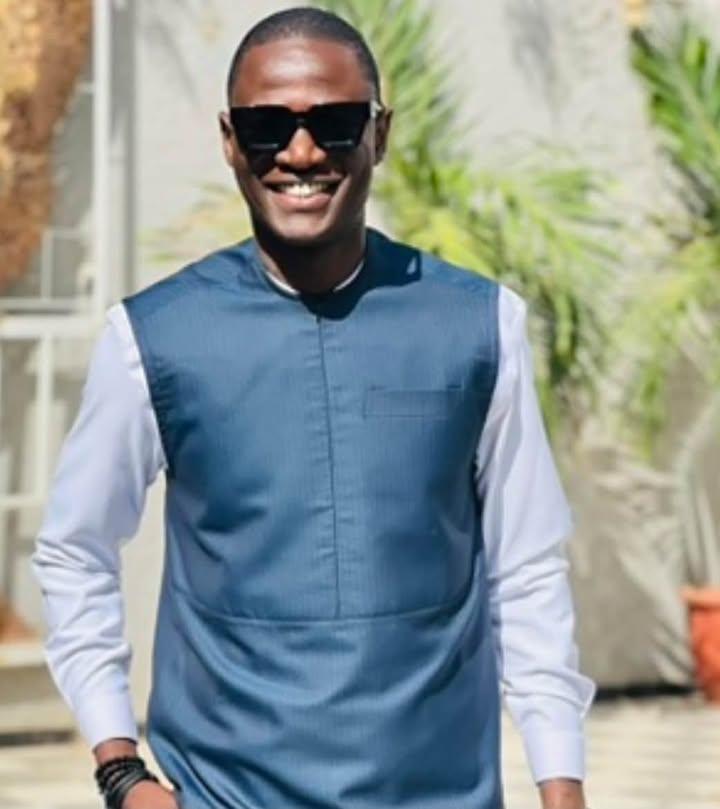
Building a Career Through Sports and Storytelling
In an interview published in July 2016, Ndiaye described himself as a graduate in Journalism and New Media from EJICOM and a reporter working in TFM’s sports department. He spoke of journalism as a longstanding passion, alongside an interest in information and communication technologies.
His professional interests extended beyond conventional television reporting. At the time, he contributed to digital-focused segments, including Les Buzz du Web on the programme Sport à la Une, where he followed athletes’ online activities and helped facilitate audience participation. He also appeared in the morning programme Yewouleen and the Ramadan talk show Quartier Général. These experiences reflected an approach to journalism that connected sports coverage with broader television discussion and emerging digital formats. Source: interview published by Senego in 2016.
From Senegalese Sports Coverage to Global Events
A defining feature of Ndiaye’s career has been his coverage of major international sporting competitions. According to Senego’s October 2026 report, he covered the FIFA World Cups of 2018, 2022, and 2026.
Reporting on events of this scale requires journalists to work in fast-moving environments, follow developments closely, and communicate the significance of competition to audiences at home. For Senegalese viewers, international sports reporting also creates a connection between global sporting stages and the interests, hopes, and conversations of local communities.
Ndiaye’s experience across these three World Cup editions provides a significant point of reference in his professional profile. It illustrates the international reach of his sports reporting while keeping his work connected to the Senegalese media audience he serves.
Connecting Television Journalism with Digital Media
The media landscape has changed considerably since Ndiaye discussed his work in 2016. Digital platforms now play a central role in how audiences follow sports, interact with journalists, and discuss major events as they unfold.
Even in his earlier interview, Ndiaye described an interest in using new information and communication technologies to make television more participatory. His work across sports reporting and digital segments reflected this interest in connecting broadcast journalism with audience engagement.
For contemporary journalists, the challenge is not simply to deliver information quickly. It is also to provide context, communicate clearly, and help audiences distinguish meaningful reporting from the constant flow of online commentary. Ndiaye’s experience across television and digital formats places these complementary forms of communication within the story of his career.
Preparation, Curiosity and the Work Behind the Report
In the 2016 interview, Ndiaye attributed his ability to engage guests beyond his immediate area of specialisation to his journalism training, personal research, and willingness to learn from more experienced colleagues.
That account offers a useful glimpse into the preparation behind television journalism. Asking informed questions requires curiosity, research, and an understanding of the subject being discussed. Sports reporters, in particular, must be able to follow sporting developments while recognising the human stories and wider issues that make them relevant to audiences.
These professional habits remain important in a media environment where the speed of publication can place pressure on accuracy and depth. Strong reporting depends not only on access to events, but also on the preparation required to explain them responsibly.
Why Mamadou Ndiaye Is a WAFRIC Awards 2026 Nominee
The Journalist of the Year category recognises the role journalists play in informing audiences and documenting the events that shape public life. Mamadou Ndiaye’s nomination acknowledges his place in Senegalese sports journalism, his work with TFM, and his experience covering major international sporting competitions.
His career also reflects the evolving relationship between traditional broadcasting and digital media. From sports reports and television programmes to interactive segments, his professional journey has intersected with different ways of reaching audiences and telling stories.
As the West African Citizens Awards brings together nominees from across the region, Ndiaye’s inclusion highlights the importance of journalism in connecting local audiences to wider sporting events and conversations.
The 2026 edition carries the theme “Recognizing the Unseen. Celebrating the Exceptional.” It celebrates individuals whose professional contributions merit recognition across West Africa.
Support the Nominee
Public voting for the WAFRIC Awards 2026 runs from October 12 to November 15, 2026. Supporters can visit the official voting page to find the Journalist of the Year category and cast their vote.
Official voting page: https://wafricawards.com.ng/official-public-voting/
Voting procedures and criteria: https://wafricawards.com.ng/wafric-awards-2026-voting-procedures-and-criteria/
Public votes contribute to the process but do not solely determine the final winners. Final selection follows WAFRIC Awards’ published procedures and criteria.
WAFRIC Awards 2026 — Recognizing the Unseen. Celebrating the Exceptional.