
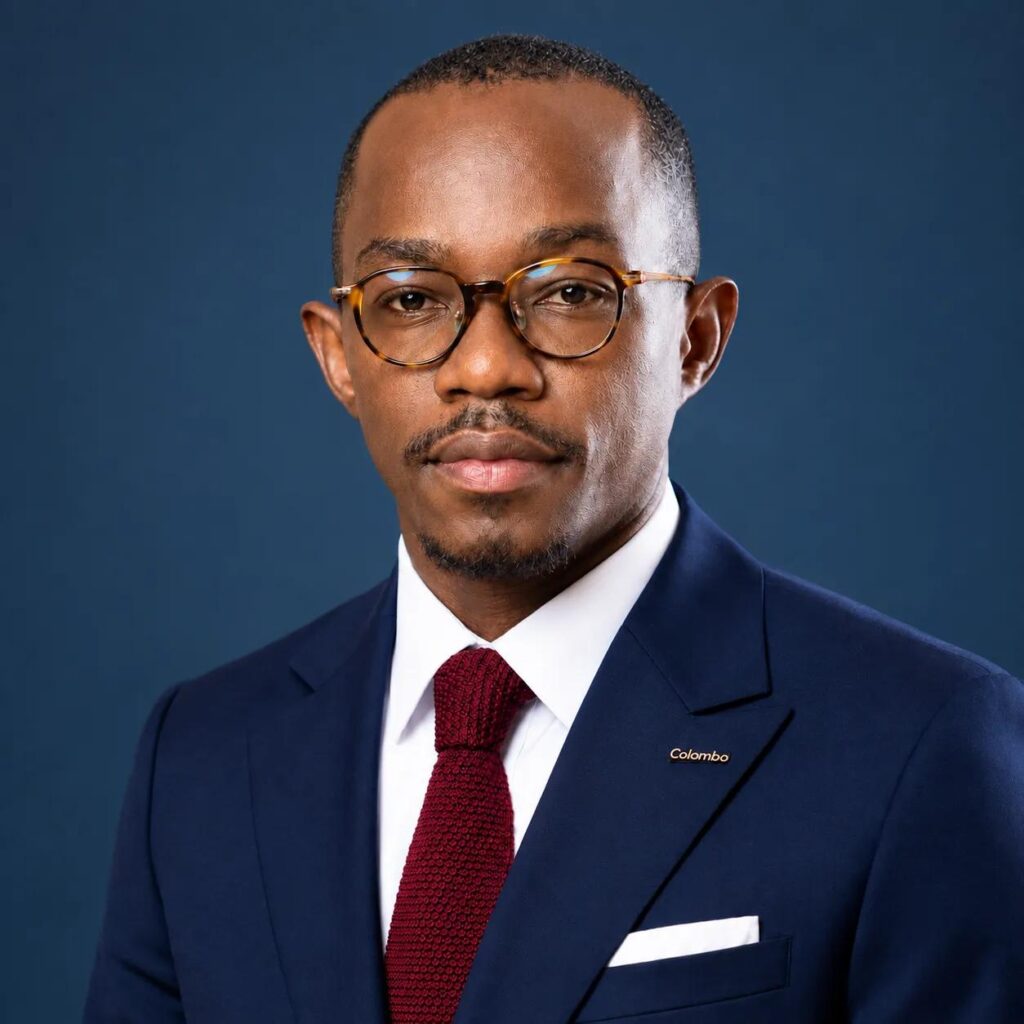
WAFRIC Awards 2026 Nominee Spotlight | Journalist of the Year | Côte d’Ivoire
Journalism is not simply the act of reporting what has happened. At its best, it helps audiences understand why events matter, whose lives they affect and how local developments connect to wider regional and global realities. For Ivorian journalist Yannick Djanhoun, also known as Mister Colombo, this responsibility has taken him across broadcast journalism, international reporting, magazine publishing and initiatives designed to strengthen media practice.
Based in Abidjan, Djanhoun has built a professional profile that combines field reporting with editorial leadership. His experience includes working as a correspondent for Africanews, contributing to Radio France Internationale (RFI), and leading the editorial work of Tomorrow Magazine, a publication focused on African youth leadership and entrepreneurship.
His nomination for Journalist of the Year at the West African Citizens Awards (WAFRIC Awards) 2026 brings attention to a media professional whose work connects reporting, public communication and the development of African journalism.
Reporting Côte d’Ivoire to a Wider Audience
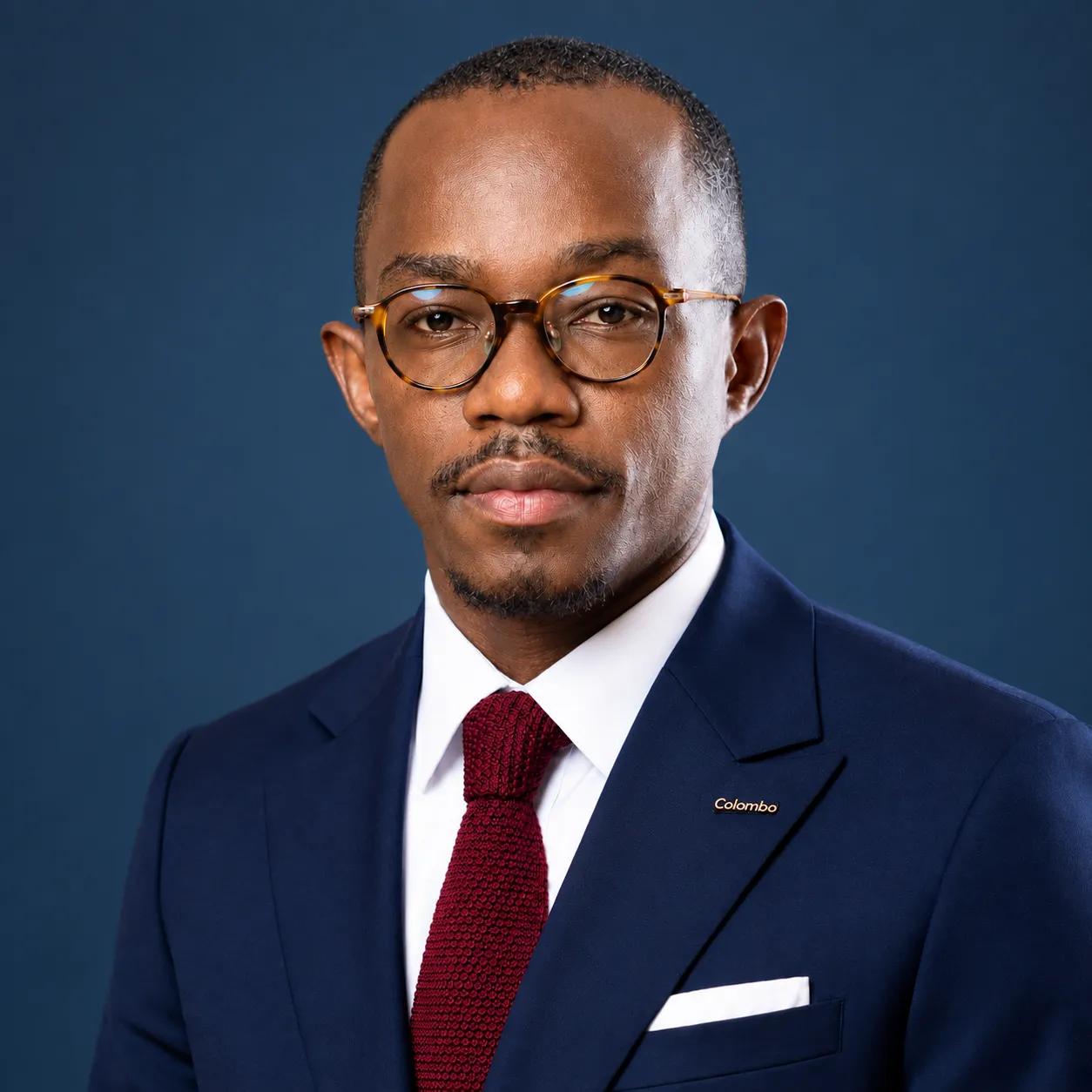
One of the defining aspects of Djanhoun’s career is his work as a correspondent for Africanews, the pan-African news network. In this role, he has reported on developments in Côte d’Ivoire for audiences beyond the country’s borders.
His published work demonstrates the range of subjects he has covered. During the political developments surrounding former Ivorian president Laurent Gbagbo’s return from exile in June 2021, Djanhoun reported from Yopougon, Abidjan, examining the atmosphere in a community with longstanding political significance. The report brought readers into the neighbourhood and included the perspectives of local political actors.
His Africanews work has also explored cultural change and emerging creative movements. A December 2023 report on the growth of breakdancing in Côte d’Ivoire examined how the dance form was gaining momentum among young people and featured the experiences of Ivorian dancer Kevin Djanhoun, who discussed his ambitions for developing the discipline.
These examples illustrate the breadth of his reporting: from politically significant local developments to cultural movements shaped by younger generations.
Correspondents play an important role in international journalism because they provide context that audiences elsewhere may not have firsthand access to. They must identify relevant developments, gather accounts from people on the ground and communicate the significance of events without losing the local details that make a story meaningful.
Djanhoun’s work for Africanews has placed him in this role, bringing stories from Côte d’Ivoire into a wider African and international media conversation.
A Voice Linking Côte d’Ivoire with Francophone Audiences
Djanhoun has also worked as Côte d’Ivoire’s correspondent for RFI’s programme Alors On Dit Quoi ?, as recorded in his professional journalism profile.
The programme provides another dimension to his media work: the use of radio to connect audiences with developments and experiences across the French-speaking world. Working in this format requires the ability to communicate clearly through sound, develop compelling stories and make local realities accessible to listeners.
His professional experience also includes presenting Tribune Libre, a programme described in his journalist profile as a platform for receiving experts from different fields to discuss and explain issues to viewers.
Together, these roles demonstrate a career that crosses different formats and audiences. Television reporting, radio correspondence and studio presentation each require distinct skills, but all depend on research, communication and the ability to make information understandable.
Djanhoun’s experience across these formats is an important part of the professional record behind his WAFRIC Awards nomination.
Tomorrow Magazine and the Importance of Youth Leadership
Beyond broadcast journalism, Djanhoun has been closely associated with Tomorrow Magazine, where he has served as editor-in-chief.
The publication has focused on African youth leadership, entrepreneurship and the development of a generation of young people equipped to contribute to society. Its editorial approach reflects an interest in stories about emerging leaders, initiatives, ideas and opportunities that can shape Africa’s future.
Djanhoun’s bylined work for the magazine includes articles on youth leadership, entrepreneurship and public affairs. In October 2024, for example, he wrote about Mon Carnet 2024, an event intended to highlight human-capital development and youth leadership in Abidjan. Other articles have examined entrepreneurship opportunities and cultural developments in Côte d’Ivoire.
Editorial leadership involves more than writing individual stories. It requires shaping a publication’s direction, selecting subjects for coverage and helping determine how stories are developed for readers. Through his association with Tomorrow Magazine, Djanhoun has combined the work of a journalist with the responsibilities of an editor and media entrepreneur.
The focus on youth is particularly relevant in a region where young people are active in business, technology, culture and civic life. Giving their experiences serious editorial attention can help widen the public conversation about African development beyond familiar political and economic narratives.
For Djanhoun, youth leadership has therefore been a recurring subject in his work as well as a central part of his editorial identity.
Africa-Us Media Connexion: Taking Journalism Development Beyond Reporting
Djanhoun’s engagement with the media sector also extends to professional development and international collaboration.
In September 2023, Fraternité Matin reported on Africa-Us Media Connexion, an initiative he launched to encourage cooperation between African and American journalists and media professionals.
The initiative was presented as a way to strengthen the skills of journalists and media organisations seeking to improve their work. In explaining its rationale, Djanhoun raised concerns about the challenges facing African media, including the effects of digital transformation on traditional journalism and the financial sustainability of media organisations.
The project’s stated objective was to create opportunities for learning and exchange between professionals working in different media environments.
This aspect of his career is significant because the future of journalism depends not only on individual reporters but also on the strength of the institutions and professional networks around them. Training, collaboration and the exchange of working methods can help journalists navigate changing audience habits, new technologies and the economic pressures facing news organisations.
By initiating Africa-Us Media Connexion, Djanhoun brought his interest in journalism into the realm of professional cooperation. It represents an effort to connect reporting experience with a wider conversation about media capacity and development.
A Career Spanning Reporting, Writing and Communication
Djanhoun’s professional identity also includes work in voice-over, event hosting, media training and communication consulting. His website, Mister Colombo, describes him as a journalist, trainer and voice professional with more than a decade of experience in media and communication.
These complementary activities draw on skills developed through journalism: clear speech, audience awareness, research, message development and the ability to communicate ideas in ways suited to different contexts.
However, the foundation of his public profile remains his journalism and editorial work. His reporting for Africanews, radio correspondence for RFI and leadership at Tomorrow Magazine provide concrete examples of his work across news, current affairs, culture and youth-focused media.
His bylined articles also show continued engagement with issues affecting Côte d’Ivoire and the wider African environment, including digital finance, entrepreneurship and the development of young leaders.
Why Yannick Djanhoun Is a WAFRIC Awards 2026 Nominee
The Journalist of the Year category recognises professionals whose work contributes to reporting, public understanding and the development of the media landscape.
Djanhoun’s nomination brings together several dimensions of a journalism career: reporting local stories for international audiences, contributing to radio programming, leading editorial work and creating opportunities for professional collaboration.
His work illustrates how journalists can operate across platforms while maintaining a focus on the stories, people and ideas shaping their societies. From political developments in Abidjan to the growth of youth-led cultural movements, his published reporting offers examples of the subjects he has brought to audiences.
His involvement with Tomorrow Magazine and Africa-Us Media Connexion further connects his journalism to youth leadership and media development.
As the WAFRIC Awards celebrates professionals across West Africa, Djanhoun’s nomination creates an opportunity to recognise an Ivorian journalist whose career has combined reporting, editorial leadership and engagement with the future of African media.
The 2026 edition carries the theme “Recognizing the Unseen. Celebrating the Exceptional.” It celebrates individuals whose work and contributions deserve recognition across the region’s diverse professional and creative fields.
Support Yannick Djanhoun
Yannick Djanhoun is nominated for Journalist of the Year — Côte d’Ivoire at the WAFRIC Awards 2026.
Visit the official voting platform to locate his category and participate in the public voting process.
Official public voting: https://wafricawards.com.ng/official-public-voting/
Voting procedures and winner-selection criteria: https://wafricawards.com.ng/wafric-awards-2026-voting-procedures-and-criteria/
Public votes contribute to the selection process, but votes alone do not determine the final winner. Final consideration includes nominees’ achievements, contributions and impact in line with the published criteria.
WAFRIC Awards 2026 — Recognizing the Unseen. Celebrating the Exceptional.